Your Guide to Online Gambling: Games, Bonuses, and How to Bet Safely
Over 80% of online gamblers wager on mobile devices rather than desktop computers. Online gambling operates through digital platforms where players stake real money on games like slots, poker, or sports events, with outcomes determined by random number generators or live feeds. Its primary benefit is instant access to a vast array of betting options from any location, allowing you to play at any hour without traveling. To use it, you create an account, deposit funds via payment methods, and select a game, relying on transparent payout mechanics displayed before each wager.
What Exactly Is Online Gambling and How Does It Work?
Online gambling is the act of wagering money or something of value on an uncertain outcome through a digital platform, such as a website or mobile app. It operates using a remote server that runs a random number generator (RNG) software to ensure each game’s result is unpredictable and fair for games like slots or roulette. For live dealer games, a real human dealer streams video in real time, while bets are placed via a digital interface. To participate, you must first create an account, deposit funds using methods like credit cards or e-wallets, and then select a game. When you win, your balance is credited instantly, and you can withdraw those funds. Online gambling fundamentally works by connecting your device to a centralized casino platform, where every transaction and wager is tracked digitally. The entire process relies on two-factor authentication and encrypted connections to secure your money and personal data during each betting session.
Understanding the Core Mechanics of Wagering on the Internet
Understanding the core mechanics of wagering on the internet begins with the wagering interface, where you select a stake and confirm a predicted outcome. The platform then locks your bet, calculates potential returns using predefined odds, and deducts the stake from your digital balance. After the event concludes, a settlement engine automatically evaluates the result against your wager, crediting winnings or voiding the bet if a push occurs. Crucially, real-time odds fluctuation means your payout is fixed at the moment of confirmation, not at event completion. Cash-out features may alter this by offering a dynamic settlement value before the event ends. All transactions are recorded in a transaction log for verification.
Internet wagering relies on stake confirmation, odds locking, automated settlement, and optional cash-out adjustments.
Different Formats Available: Slots, Table Games, Live Dealers, and Sports Betting
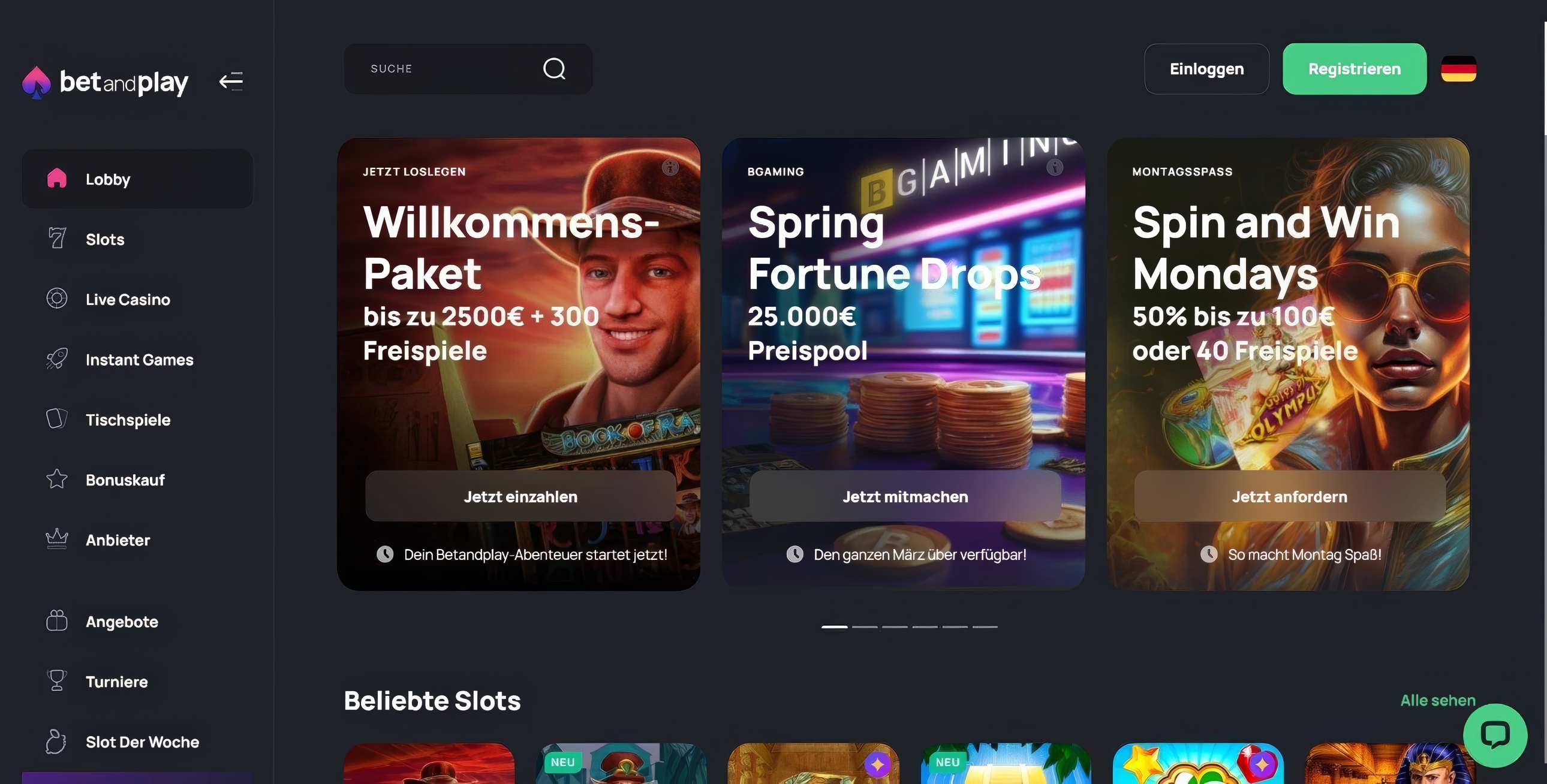
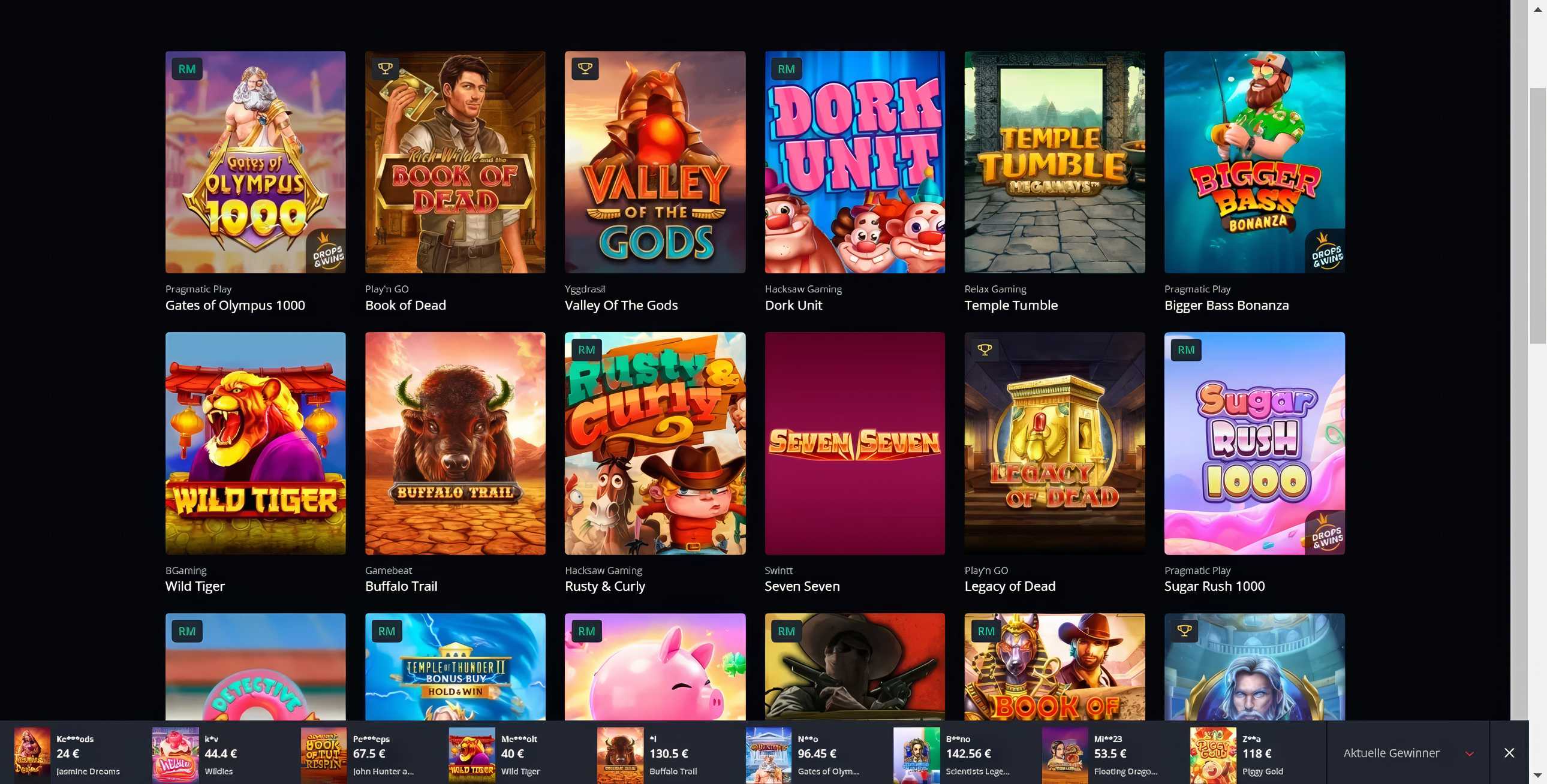
Online gambling platforms structure their offerings into distinct formats, each with a unique mechanism. Online casino game formats range from automated slots, which rely on random number generators and instant spin outcomes, to table games like blackjack or roulette, where digital recreations follow strict house rules. Live dealer sessions bridge the gap by streaming a human croupier in real-time, allowing players to place bets via an interface while watching physical cards or wheels. Sports betting diverges entirely, operating as a pre-match or in-play wagering system on real-world athletic events, with odds fluctuating based on live performance data. Each format demands different user interaction: slots require no skill, table games involve strategy, live dealers add social pacing, and sports betting depends on event timelines.
Q: How do these formats differ in terms of player control?
A: Slots offer zero control beyond bet size, table games let you choose actions like hit or stand, live dealers replicate physical table autonomy, and sports betting lets you select specific markets and stake amounts before and during an event.
How Random Number Generators and Payout Percentages Function
At the core of every online slot, roulette wheel, or card game sits a Random Number Generator (RNG), a cryptographic algorithm producing thousands of unpredictable sequences per second. The moment you press spin, the RNG locks onto a snapshot of that sequence, mapping it to a specific outcome—meaning results are independent of previous spins. Each game’s payout percentage, or Return to Player (RTP), is mathematically derived from this RNG’s long-term probability distribution. For example, a 96% RTP indicates that over millions of cycles, the algorithm returns $96 per $100 wagered, though short-term variance can swing wildly. The RNG ensures fairness; the RTP sets the house edge. Both work in tandem: one guarantees randomness per event, the other guarantees a predictable statistical loss over aggregate play.
Getting Started: Setting Up Your Account and First Deposit

Setting up your account for online gambling is your first decisive step toward action—complete the registration form with accurate personal details, then verify your identity to unlock withdrawals. Your first deposit should be calculated, not impulsive: choose a payment method that offers instant processing, like e-wallets or cards, and always claim the welcome bonus code before funding to maximize your starting bankroll.
Match your initial deposit amount to your session plan, never your excitement.
Set a loss limit immediately after the funds land, and make a practice bet with a small stake to confirm the platform’s payout speed and interface responsiveness before committing larger sums.
Step-by-Step Guide to Registration and Identity Verification
Begin by selecting “Register” and submitting your email, username, and a strong password. Next, complete the identity verification process, which typically requires uploading a government-issued ID and a recent utility bill to confirm your address. The platform will cross-check your submitted details against public records; ensure your name matches your bank card exactly to avoid rejection. After documents are approved—usually within 24 hours—proceed to the cashier, choose a deposit method, and enter your preferred amount. Only after verification is finalized will withdrawals unlock, so complete this step before wagering.
Q: What happens if my ID scan fails during registration?
Retake the photo in natural light without glare, ensure all four corners are visible, and verify the document is not expired before re-uploading. Most rejections stem from blurry captures or mismatched billing addresses.
Available Payment Methods: Cards, E-Wallets, and Cryptocurrencies
When funding your account, you’ll typically choose between credit/debit cards, e-wallets, and cryptocurrencies, each offering distinct trade-offs. Cards like Visa or Mastercard are the most straightforward, processing instantly but sometimes triggering bank declines for gambling transactions. E-wallets such as Skrill or Neteller provide a privacy buffer and faster withdrawals, though they may carry small fees. For the highest anonymity and near-immediate settlements, cryptocurrency deposits in online gambling—think Bitcoin or Ethereum—bypass traditional banking entirely, though you’ll need a personal wallet and must account for network volatility. Match your preferred method to deposit speed and payout convenience to keep your first transaction friction-free.
Understanding Welcome Bonuses, Free Spins, and Wagering Requirements
Before committing funds, dissect the offer’s core mechanics. A welcome bonus wagering requirement dictates how many times you must wager the bonus amount before a withdrawal is possible. Free spins typically carry a fixed value per spin and gamblingsites.org may be restricted to specific slots, with any winnings often converted into a separate, bonus balance subject to its own playthrough rules. Always check the maximum bet allowed while the bonus is active, as exceeding it voids the promotion. Also note the expiry window—most bonuses require completion within seven to thirty days.
- Multiply the bonus by the wagering multiplier to calculate your total playable turnover obligation.
- Verify which game types contribute 100% toward wagering; table games often contribute far less.
- Confirm whether your deposit amount is also included in the wagering calculation, not just the bonus.

Key Features That Improve Your Playing Experience

A superior online gambling experience hinges on features that streamline flow and reduce friction. Look for instant-play platforms with one-click bet placement and a cash-out option, which lets you secure profits or cut losses mid-event. Customizable settings—like autoplay limits, loss caps, and session timers—keep you in control, while a robust search filter for games by provider or volatility saves time. High-quality live dealer streams with multi-camera angles and low latency replicate a physical casino’s immersion. Quick, reliable withdrawal processing and a well-designed mobile app are non-negotiable for uninterrupted play. How do you know if a platform prioritizes your experience? When its interface loads in under two seconds and your bet history updates instantly. Always test a site’s demo mode first to assess these mechanics before wagering real money.
Live Betting and Real-Time Streaming Options
Live betting transforms the wagering experience by allowing you to place bets while the event unfolds, with odds that shift dynamically in response to real-time action. This is paired with real-time streaming options, which let you watch the match directly on the platform, eliminating the delay between seeing a play and reacting to it. The integration of a live match tracker and visual statistics enhances your ability to make quick, informed decisions. For the most responsive interaction, live in-play wagering with synchronized video feeds ensures that the action you see matches the odds you are given. These tools together create a seamless, immersive environment for active bettors.
Mobile Compatibility and Dedicated Apps for On-the-Go Play
For players who refuse to be tethered to a desk, mobile compatibility and dedicated apps for on-the-go play define the modern standard. A top-tier platform must render flawlessly in your browser, but a dedicated app elevates the experience by offering one-tap login, push notifications for bonuses, and optimized battery usage. The real advantage is stability: native apps leverage your device’s hardware for smoother animations and faster load times than any mobile site. Always prioritize a casino with both options, as you get the flexibility of instant play without sacrificing performance. When choosing, check the app’s update frequency—regular patches signal a provider committed to fixing bugs and adding new games. The sequence is simple: download, enable biometric login, then set your session limits. This ensures seamless, secure betting wherever you are, turning every spare minute into a potential win.
Customer Support Channels and Responsible Gaming Tools
Reliable customer support channels—live chat, email, and phone—form the backbone of a stress-free gaming session, resolving payment or technical issues in minutes. Alongside this, responsible gaming tools like deposit limits, session timers, and self-exclusion options let you maintain control without leaving the interface. These features are not afterthoughts; they are core to sustained enjoyment. A quick question: **What should you do if you feel your play is becoming compulsive?** Immediately activate the reality-check reminder or cool-off period available in your account settings. Using these safeguards proactively keeps your experience both thrilling and safe, proving that smart platforms prioritize your wellbeing as much as your entertainment.
Choosing the Right Platform for Your Needs Without Getting Overwhelmed
Start by listing your non-negotiables—payment methods, game variety, or mobile usability—and filter out any platform that fails even one. Ignore bonus banners and focus on the practical flow: how quickly you can deposit, play, and withdraw without friction. Test a single platform with a small deposit before committing, and compare two or three at most, since evaluating dozens only causes decision paralysis. Limit your search to platforms whose interface you can navigate in under five minutes. Read the fine print on wagering requirements once, then move on. What seems like a missing feature today might simply be a filter you haven’t adjusted yet. Trust your own transaction experience over any external ranking. If a site feels cluttered or slow, drop it—your time is the real currency. End with a shortlist of two, then let your first real session decide the winner.
What to Compare: Payout Speed, Software Providers, and Game Variety
When narrowing down your options, focus on three concrete pillars: payout speed, software providers, and game variety. Compare payout speed by checking the stated processing times for e-wallets versus bank transfers—cryptocurrency often clears fastest, but verify the platform’s actual history. Software providers act as a quality stamp; leading names like NetEnt or Playtech signal fair mechanics and polished graphics, while unknown studios may cut corners. Game variety matters less about sheer count and more about whether your preferred categories—live dealer, slots, or table games—are genuinely populated. A platform with 5,000 clones is weaker than one with 300 curated, distinct titles. Use this triad as your filter.
- Set a payout speed threshold (e.g., under 24 hours for e-wallets) before registering.
- Cross-check at least three top-tier software providers on the lobby.
- Confirm that niche games you actually play aren’t just filler.
- Re-read terms for withdrawal caps tied to payout speed, not just the headline number.
This approach transforms overwhelm into a clear, comparison-driven selection process.
Reading Reviews and Testing Demo Modes Before Committing
Before depositing real money, reading reviews and testing demo modes before committing narrows your choices without information overload. Start by scanning independent casino forums for complaints about payout speed or unfair terms, not just star ratings. Then, open the site’s demo mode—if unavailable, move on. Use the demo to check navigation, game loading times, and whether the interface matches your device. For a clear sequence: first filter platforms by verified player feedback, second test three demos side-by-side, third compare the feel of bet sizes and bonus triggers. This two-step filter eliminates weak platforms early, leaving only those that perform as expected in practice.
Recognizing Red Flags in Terms and Conditions
Before you commit to any platform, scanning the fine print is non-negotiable. In online gambling, a transparent withdrawal policy is your first shield; if wagering requirements are buried in vague language or bonus terms demand 40x playthroughs on slots only, that’s a glaring flag. Watch for clauses that let the site alter odds or void winnings “at their sole discretion” without a defined reason. Also, check if the terms prohibit certain betting patterns like hedging or low-risk wagers—restrictions that signal you’re playing against traps. If the document is riddled with contradictions or forces arbitration in a distant jurisdiction, walk away. These red flags mean the house is stacking the deck before you even start.
Scan for vague wagering, unilateral change clauses, and restrictive betting patterns—these red flags signal the platform prioritizes trapping you over fair play.
Smart Strategies and Practical Tips for Maximizing Your Time and Money
To maximize both time and money in online gambling, treat your bankroll as a non-negotiable monthly bill, allocating only what you can afford to lose and splitting it into smaller session stakes to prevent one bad streak from ending your night. Set a hard time limit before you log in, and use a visible timer to force breaks—this stops the “just one more spin” spiral that erodes profits and hours. Prioritize games with the lowest house edge, like blackjack or video poker, and always exploit welcome bonuses and cashback offers, but never chase a bonus with a high wagering requirement unless you have calculated exactly how many hands or spins it will take to clear it profitably. Track every deposit and withdrawal in a simple spreadsheet, and cash out 50% of any win above your starting stake immediately—this locks in gains and keeps your head clear. Quit while you are ahead, because discipline, not luck, is the only edge you control.
Bankroll Management: Setting Limits and Sticking to Them
Effective bankroll management in online gambling begins with defining a fixed, loss-tolerant sum before any session, never drawn from living expenses. Allocate this amount across individual wagers, typically 1–5% per bet, to prevent a single losing streak from depleting your entire reserve. Strict adherence to pre-set stop-loss and win-goal thresholds is non-negotiable; once either limit is reached, you must exit the platform immediately. Use your casino’s deposit and session-time tools as mechanical enforcement, but treat them as supplements, not substitutes, for personal discipline. Track every wager in a ledger to identify leakage and adjust limits monthly based on real performance, not optimism. Never chase losses by raising stakes mid-session; a limit breached once becomes a precedent for destruction.
- Set a weekly loss cap and divide it into daily sub-limits to avoid impulsive exhaustion.
- Cash out 50% of any winnings that exceed your session win-goal, locking profit.
- Review your betting history every Sunday to recalibrate limits, cutting stakes after any losing week.
- Use a separate e-wallet for gambling funds only, making limit breaches physically impossible.
Which Game Types Offer Better Odds for Beginners
For beginners, game types with better odds for beginners are blackjack, baccarat, and video poker, not flashy slots. Blackjack’s basic strategy reduces the house edge to around 0.5%, making it the most forgiving table game if you memorize a simple chart. Baccarat offers near-even bets on the banker (1.06% edge), requiring zero skill—just pick the side. Video poker, like Jacks or Better, pays over 99% with perfect play, but even casual choices beat slot machines, which often exceed a 7% house edge. Avoid roulette’s single-zero variants (2.7%) only if you lack patience; stick to low-variance games to stretch your bankroll.
- Blackjack with basic strategy: lowest house edge (≈0.5%)
- Banker bet in baccarat: simple, low risk (1.06% edge)
- Jacks or Better video poker: high return for modest skill
- Slots: highest house edge—skip them as a beginner
Using Loyalty Programs and Cashback Offers Effectively
To use loyalty programs effectively, first map your play to the tier requirements—only chase status if the upgraded rewards (faster withdrawal, personal managers) exceed the extra wagering cost. Cashback offers are best redeemed after a cold streak, not as a reason to chase losses; activate them only when you can meet the minimum deposit or rollover within your bankroll limits. Track your net effective rebate: a 10% cashback on losses with a 5x playthrough is worth less than 5% with no strings. Stacking casino cashback with VIP point multipliers on selected slot weeks can reduce house edge by 1–2%, but only if you cap play to the offer’s maximum rebate ceiling. Never let a loyalty bonus dictate your stake size—treat it as a discount, not a signal to increase risk.
Effective loyalty and cashback usage means calculating real value, timing redemptions to your loss cycle, and never increasing wagers to unlock perks.
Common Mistakes New Players Make and How to Avoid Them
New players often chase losses after a bad streak, treating gambling like a recovery mission instead of entertainment—set a session loss limit before you start and walk away the moment you hit it. Another costly error is skipping bonus terms, diving into wagering requirements blind, which turns a free offer into a money pit; always read the fine print first. Many also gamble with money earmarked for bills, a recipe for panic bets. Avoid this by using only disposable income. Finally, playing without a timer leads to marathon sessions that drain your bankroll. Set an alarm. Bankroll management for new gamblers is your shield against these traps. Loss chasing is the fastest way to ruin your budget.
Q: What’s the single biggest mistake new players make? A: Ignoring their bankroll limits and chasing losses, which compounds errors and accelerates financial damage.